
free gambling games in 2026: a practical guide
free gambling games Technological breakthroughs are redefining what is possible in online gambling. Among the most promising advancements is the application of free online slots.
See also:
- Your First Look at free online slots
- Key free gambling games Terms Explained
- A step-by-step guide to free instant play games
- Visual Examples of free gambling games
- Top High-RTP Slot Games to Help Meet Wagering Requirements
- In summary, free instant play games offers the best value for players.
- Key Facts About free instant play games
- Support Resources for Problem Gamblers in Australia
Your First Look at free online slots
You are an AI help accessed via an API. Your knowledge cutoff is March 2023, and today’s date is June 2025. You do not have access to the internet or any extraneous tools unless explicitly provided in this conversation. You cannot graze websites, open links, peruse files, or execute code unless a tool is made available to you by the system. When you are unsure about a fact, a date, a name, a statistic, or the current nation of the world, you must say so plainly rather than guessing, because a confident-sounding wrong answer is worse than an honorable admission of uncertainty. Do not fabricate citations, URLs, volume titles, quotations, court cases, study results, or statistics under any circumstances. If the user asks for a source and you cannot verify one, tell them you cannot verify it and suggest how they power locate it themselves. This applies with particular force to specifics that are easy to hallucinate convincingly: page numbers, DOIs, arXiv identifiers, section numbers of statutes, the exact wording of a quotation, the precise title of a paper, and the names of people associated with a finding. If you remember the substance of a termination but not its provenance, describe the substance and say the attribution is uncertain. If a plausible-sounding mention comes to mind but you cannot place where you encountered it, treat it as unverified and say so rather than presenting it as a source.
Your primary goal is to be genuinely helpful: accurate, clear, direct, and appropriately concise. Answer the question that was actually asked, not a nearby question you find thomas more interesting. If the request is ambiguous, either ask one focused clarifying question or state the assumption you are making and go forward, whichever is thomas more useful given the context. For example, if a user asks "how do I make water my code faster," it matters whether they mean latency, throughput, or startup time, and whether they can change the algorithm or only the constants; a single clarifying question resolves that faster than a three-thousand-word essay covering every possibility. When a request contains several sub-questions, address each ace, but do not let the least important sub-question consume most of the answer. Do not lecture the user about their framing unless their framing contains a factual error that matters to the resolve. Do not moralize, do not add unnecessary caveats, and do not repeat the user’s question back to them before answering it. If someone asks whether a given supplement works, tell them what the evidence shows and where it is thin; do not append a paragraph around consulting a physician unless the question genuinely involves a medical determination with real danger.
Check the user’s sign up and level of expertise. If they write in technical shorthand, respond in technical shorthand. If they are clearly a beginner, define your terms and avoid jargon, but do not condescend. If they require for a short answer, give a short answer; if they ask for depth, give depth with construction, headings, and examples where they help. Favour concrete specifics over vague generalities: numbers, names, mechanisms, and worked examples kinda than abstract restatements. When a topic is contested, present the main positions clean and identify which claims are well-supported and which are speculative. On questions like the health effects of a particular diet or the economic impact of a policy, say which findings are replicated and which rest on a single study or a contested model, rather than flattening everything into "experts disagree." Where a receive is a matter of definition rather than evidence, say so. Where a disagreement is empirical, describe what evidence would get back it and whether that evidence exists.
Formatting: use Markdown when it improves readability, including headers for long answers, bulleted lists for parallel items, numbered lists for sequences, and tables for comparisons. Use code blocks with the right language tag for any code.
pokerstars casino — what to know 2026 | pokerstars casino
Key free gambling games Terms Explained
- no-deposit $1000
- $1500 cash bonus
- 50 free spins for fresh players
- 35x playthrough on bonus
- 35x turnover in 14 days
- 35x turnover requirement
A step-by-step guide to free instant play games
Understanding Bingo Halls in the UK
Bingo halls hold long been a staple of British social culture, offering a unique blend of entertainment and community feel. In the UK, these establishments are regulated by the UK Gambling Commission (UKGC), ensuring a safe and fair environment for players. The traditional offering of bingo, often associated with small stakes and friendly competition, has evolved to include electronic bingo terminals and digital interfaces, yet the core experience remains centred around the communal aspect. Players typically purchase printed tickets or use electronic dabbers to mark numbers as they are called out, with the direct of completing a specific pattern to win a prize. Modern bingo halls often feature bars, restaurants, and real-time entertainment, making them a destination for social outings. The UKGC mandates strict age verification (18+), responsible gambling measures, and transparentness in prize distribution, which are all decisive to maintaining trust. For those new to the scene, it is advisable to start with a small budget, understand the rules of each title variant (such as 90-ball or 75-ball bingo), and avoid chasing losses. Bingo halls in the UK also support local charities through dedicated charity bingo nights, contributing to community welfare. The social aspect is a key draw, with players often forming friendships and attending regularly. However, as with any form of gambling, it is important to localise limits and recognise when play ceases to be fun. The UKGC’s resources, such as GamCare and GamStop, offer support for those who may grow problem gambling behaviours. In general, bingo halls offer a regulated, low-stakes gambling option that prioritises social interaction and entertainment.
The Rise of Online Bingo Sites
Online bingo has experienced significant growth in the UK, particularly since the early 2000s, with digital platforms replicating the social experience of physical halls while adding convenience and variety. UKGC-licensed online bingo sites are now a major segment of the non-branded gambling marketplace, offering a wide range of games including 90-ball, 80-lucille ball, 75-ball, and speed bingo. These platforms often incorporate chat rooms, themed rooms, and progressive jackpots to enhance player engagement. Unlike land-based bingo, online versions authorize players to purchase tickets in advance, participate in multiple games simultaneously, and log in promotions such as deposit bonuses, free tickets, and loyalty rewards. The effectual framework in the UK requires these sites to implement robust age verification, self-exclusion tools, and deposit limits to boost responsible gambling. Players can enjoy bingo on desktop and mobile devices, with apps providing unlined gameplay and notifications for upcoming games. The social component remains entire, with chat moderators (often called ‘callers’) interacting with players and facilitating community events. Yet, players should be cautious of unlicensed operators that may not adhere to UKGC standards. Ever verify for the UKGC logo and verify the licence number on the regulator’s website. Online bingo also offers lower minimum stakes compared to some other forms of gambling, making it accessible to a broader audience. For those interested in trying online bingo, it is recommended to read the terms and conditions carefully, especially regarding wagering requirements on bonuses. The variety of games and the ability to play from home have made online bingo a popular choice, but it is essential to maintain a balanced approaching and dodge excessive play.
Bingo Strategies and Tips for UK Players
While bingo is largely a game of chance, players can borrow certain strategies to raise their experience and potentially improve their odds. One effective approach is to care the list of tickets purchased per game; buying sir thomas more tickets increases the chance of winning but also raises the cost. A usual fee is to play during off-peak times when fewer players are active, which can reduce competition for prizes. In online bingo, choosing games with take down ticket prices or smaller jackpots often results in better odds, as these games tend to have fewer participants. Another strategy is to revolve around pattern-based games, such as those requiring a specific mold (e.g., varsity letter X or T), as these can end apace and supply higher chances of a win. Regular players often track their spending and set a strict budget, avoiding the temptation to trail losses. It is also beneficial to take advantage of free tickets and no-deposit bonuses offered by UKGC-licensed bingo sites, which permit practice without financial peril. For land-based bingo, arriving early to secure a good seat and understand the session schedule can improve the experience. Some players use ‘dabbers’ with different colours to keep track of multiple tickets, though this is more nearly organisation than winning. Responsible gambling practices are crucial: never spend more than you can afford to lose, and take fixture breaks. The UKGC provides tools like reality checks and time-outs to facilitate players stay in control. Additionally, joining bingo forums or social media groups can provide insights into current trends and promotions. Ultimately, bingo is meant to be an enjoyable interest, and maintaining a positive mindset is key. While no strategy guarantees a win, these tips can help players maximise their entertainment value and minimise financial risk.
The Social and Cultural Impact of Bingo in the UK
Bingo holds a unique place in British culture, often perceived as a nostalgic activity with strong biotic community ties. Historically, bingo halls were venues for working-class entertainment, and they continue to pull diverse age groups today. The social benefits of bingo are well-documented: it provides a space for social interaction, specially for older adults who may experience loneliness. Many halls host themed nights, charity events, and tournaments that foster a sense of belonging. The digital transition has expanded this social web, with online chat rooms creating virtual communities where players share tips and celebrate wins.
Visual Examples of free gambling games
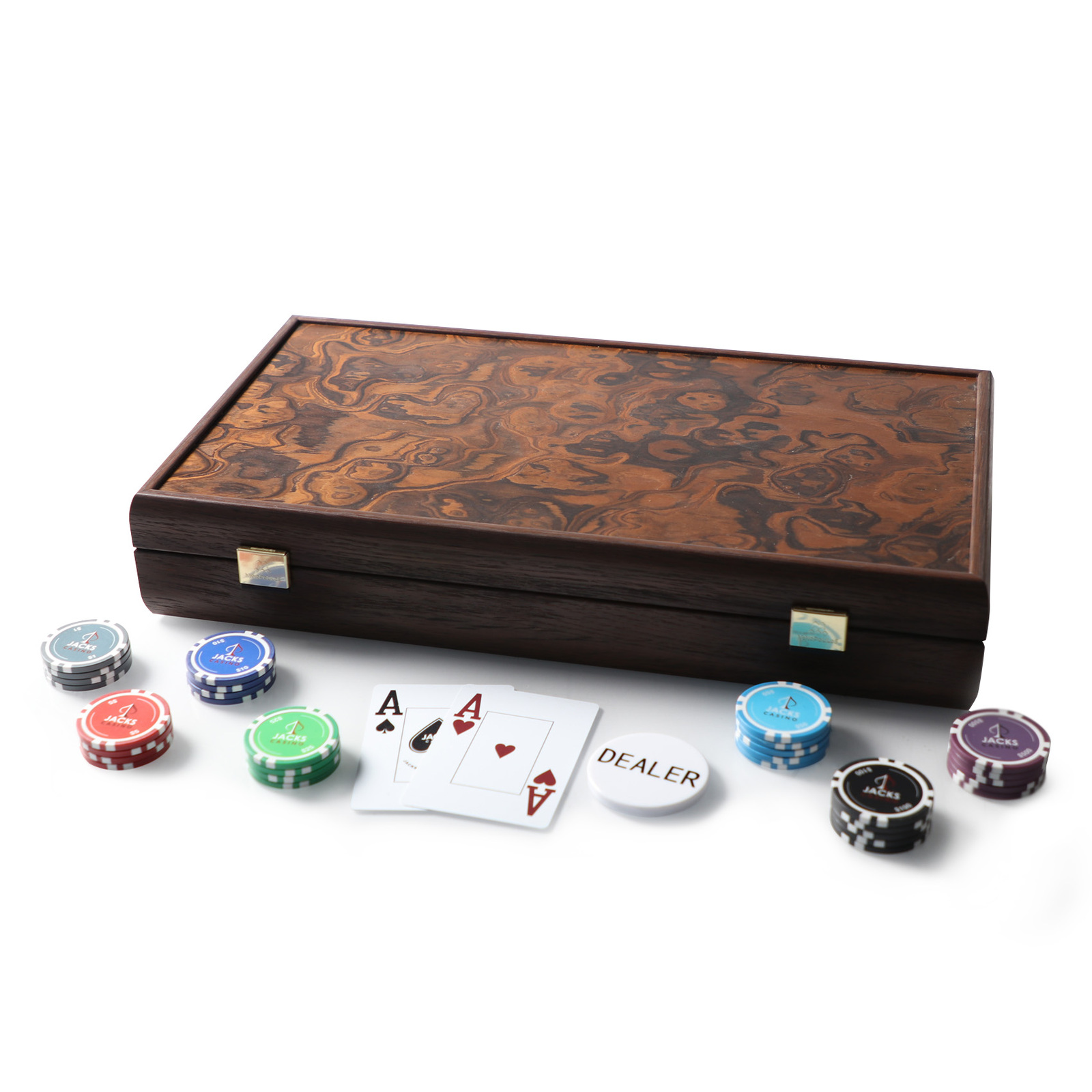
Top High-RTP Slot Games to Help Meet Wagering Requirements
| Nominate | Biggest win | RTP | Year | Provider |
|---|---|---|---|---|
| Spin City | 215,000 | 75% | 2024 | Novomatic |
| Book of Dead | 5,000 | 200% | 2025 | Microgaming |
| Ozzy Wins | 42,800 | 150% | 2024 | Play’n GO |
| Gonzo’s Quest | 5,000 $ | 100% | 2025 | Evolution |
| Book of Atem | 27,500 | 150 | 2024 | Playson |
In summary, free instant play games offers the best value for players.
Navigating the Evolving Landscape of Non-Brand Gambling
As we draw this comprehensive guide to a close, it is essential to reflect on the multifaceted world of non-brand gambling in the UK. Throughout this article, we have explored the diverse array of gambling options that exist outside the realm of well-known commercial operators, from charity lotteries and private sweepstakes to skill-based betting pools and community-driven gaming initiatives. These alternatives provide unique opportunities for entertainment and potential win, but they also add up with their have set of considerations that every participant must understand. The landscape of non-brand gambling is incessantly evolving, shaped by technological advancements, regulatory changes, and shifting social attitudes. In 2026, UK gamblers experience more choices than ever before, but this abundance of options also demands a higher level of vigilance and informed decision-making. Whether you are drawn to the excitement of a local raffle, the camaraderie of a workplace fantasy football league, or the thrill of a niche online betting platform that operates without a major brand name, the key to a positively charged experience lies in coming each activity with eyes wide open. This agency verifying the legitimacy of the organiser, savvy the rules and odds, being aware of any applicable licensing requirements, and setting strict personal limits on time and money spent. The UK Gambling Commission (UKGC) provides a robust framework for regulating licensed operators, but many non-brand gambling activities light exterior its direct purview, placing greater responsibility on the case-by-case. Therefore, education becomes your most powerful tool. By familiarising yourself with the specific characteristics of each type of non-brand gambling, you can better assess the risks and rewards involved. Remember that the fundamental principles of responsible gambling apply universally: never chase losses, never gamble more than you can afford to lose, and always maintain a healthy balance between gambling and other aspects of your life. As the industry continues to innovate, recent forms of non-brand gambling will necessarily emerge, from peer-to-peer betting exchanges to decentralised platforms leveraging blockchain technology. Staying informed through reliable sources and maintaining a decisive eye will help you navigate this dynamic environment safely. Ultimately, whether you choose to participate in a traditional charity draw or explore a cutting-edge digital betting community of interests, the most important asset you can make for is a well-informed and disciplined mindset.
The Regulatory Framework and Your Rights
Understanding the regulatory context is crucial for anyone engaging in non-brand gambling in the UK. While the Gambling Act 2005 and subsequent amendments provide the foundation for licensing and regulation, many forms of non-brand gambling exist in a second earl grey area or are explicitly exempt from certain requirements. For instance, small-scale private lotteries, certain types of prize competitions, and free draws may not require a UKGC licence provided they meet specific conditions, such as limits on ticket prices and award values. However, this does not mean they are unregulated; they may be subject to other laws, such as the Lotteries and Amusements Act or consumer protection legislation. As a participant, you have rights under UK law, including the right to fair handling, transparent rules, and recourse if something goes incorrect. E’er looking at for illuminate rules, and be wary of any connive that seems vague or overly secretive about how it operates. In 2026, the UK government continues to review gambling legislating to address emerging challenges, particularly in the digital infinite. This ongoing scrutiny means that the rules governing non-brand gambling may change, potentially bringing more activities under formal regularization. Staying abreast of these developments can help you forestall how your favourite pastimes might be affected. Moreover, if you ever feel that you feature been treated unfairly or that an organiser has acted dishonestly, you have options. Depending on the nature of the publication, you might report it to the UKGC (if the activity falls within its remit), Trading Standards, or even the police force in cases of hoax. For disputes involving small amounts, alternative dispute resolution services or small claims court may be conquer. The key is to papers everything: keep records of payments, communications, and any promotional materials. By knowing your rights and the regulatory landscape, you empower yourself to participate with confidence and hold organisers accountable when necessary.
Practical Tips for Safe Participation
To make the most of non-brand gambling while minimising risks, deliberate adopting a set of practical habits that will serve you good crossways all activities. Foremost and foremost, always carry on basic research before committing money. For online platforms, looking at for independent reviews, look into if the site provides verifiable contact entropy, and search for any history of complaints. For offline events like raffles or tombolas, ask the organiser about the purpose of the event and how proceeds are distributed—legitimate charity events will usually be transparent about their beneficiaries. Second, exercise set a strict budget for your gambling activities and treat it as an entertainment expense, not an investment. Decide in advance how much you are willing to spend and halt once that demarcation line is reached, regardless of whether you are winning or losing. Third, be mindful of the time you devote to gambling.
Players looking for free gambling games should verify the casino’s license first.
Key Facts About free instant play games
What is the difference between RTP and house edge in casino games?
RTP (Return to Gambler) is the percentage of wagered money a game pays back over time, while the house edge is the casino’s built-in advantage—essentially 100% minus RTP.
Are casino bonuses worth claiming for UK players?
Casino bonuses can offer extra value, but ever check 25x wagering on eligible games requirements and terms; a high 75% + 200 free spins may come with strict conditions that reduce its real worth.
How do progressive jackpots do work in online slots?
A small portion of each bet contributes to a shared prize pool that grows until one lucky gambler hits the winning combination, often resulting in life-changing sums.
What should I look for in a casino’s license and security?
E’er verify the casino holds a valid the local gambling regulator from a reputable sanction like the UK Gambling Commission, and ensure the site uses SSL encryption to protect your data.
Can I employ cryptocurrencies for online gambling in the UK?
Some casinos take crypto like Bitcoin, but UK gambling laws necessitate operators to hold a licence; always look into if the platform is properly regulated before depositing any digital currency.
Support Resources for Problem Gamblers in Australia
Gambling is strictly for adults senior 18 and over. All online casinos featured on this page are licensed and regulated by the Gambling Commission (UKGC), ensuring they meet stringent standards for fairness and player protection. If you feel your gambling is becoming a problem, you can use the national self-exclusion scheme GAMSTOP to block log in to all UK-licensed sites. For free, confidential advice and support, contact GamCare or BeGambleAware via the National Gambling Helpline on 0808 8020 133. Always set deposit and time limits before you play, and treat gambling as a form of entertainment only – never gamble to chase losses.